
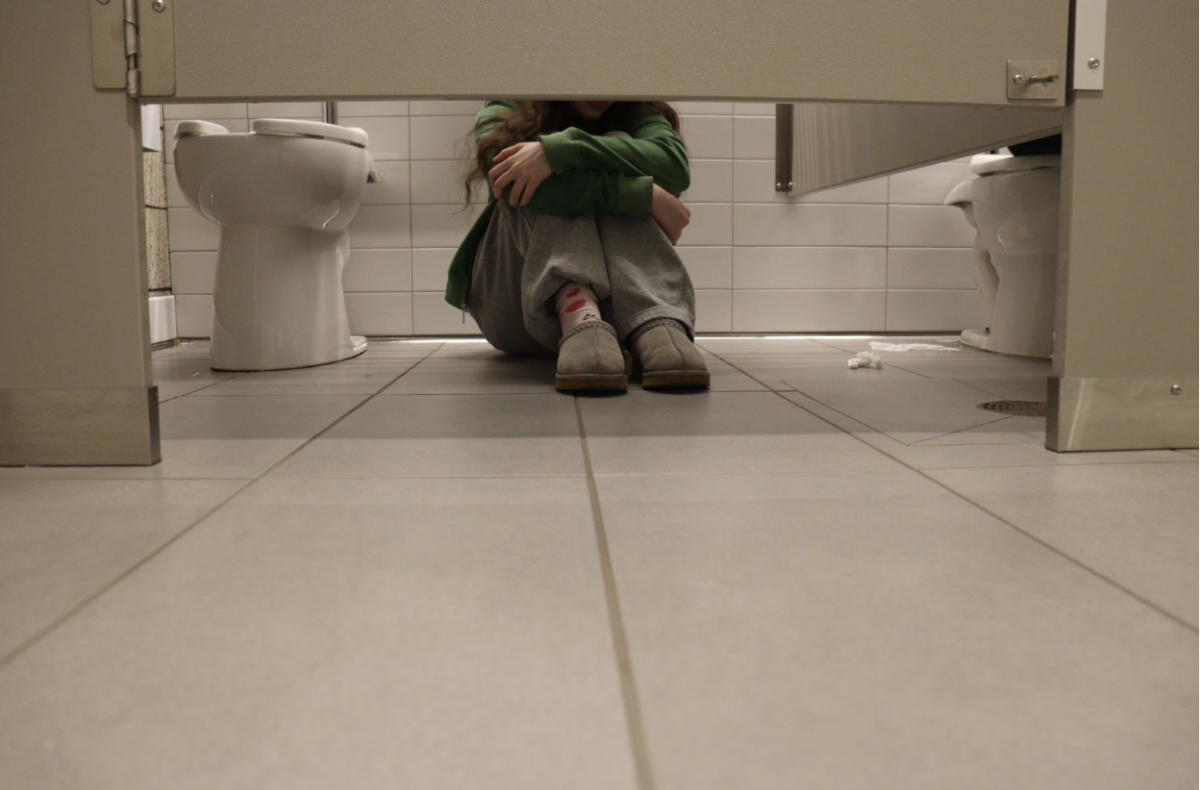
Every class has at least one quiet kid. Very rarely do they talk, which makes it simple for one person to develop an opinion on them based on their inability to express themselves like others can.
Sometimes it’s not a choice on whether they want to speak or not, but a physical incapacity to do so.
It’s an imaginary tape sealing their mouth shut, their heart pounding too loud in their ears, their hands trembling every time nothing comes out of their mouth. People are staring at them— judging, waiting, expecting something. Nothing comes.
It’s more than being quiet and shy, but a natural bodily reaction.
What is Social Anxiety Disorder?
Social anxiety is a disorder that causes fear and anxiety when in specific social situations— the fear mainly stems from the judgment and scrutiny of others, along with the stress that comes with it.
“I know I have social anxiety,” a senior at Clackamas High School says. Diagnosed with social anxiety years ago, they’ve been dealing with it since. “I hate presentations, speeches, and talking in front of the class.”
People with social anxiety often have an intense fear of social interaction, worried that they’ll be humiliated in front of others. Even common interactions such as ordering food is enough to invoke a physical reaction.
“My heart rate goes up, my hands start to shake,” they explain. “I’m scared to make phone calls, I’m scared to pay, I just don’t like talking to strangers.” Social anxiety is beyond being shy, but the inability to speak properly without hearing your heartbeat in your ears.
What Students with Social Anxiety Experience
It’s difficult to speak to teachers, the very people who are there to teach and answer questions. In fact, it often causes students with social anxiety to refrain from speaking to teachers at all. “I’m scared to ask questions and point out when something is wrong,” they said. When there’s a question to ask, they avoid doing so, instead opting to go home and find themselves.
Communicating with other students proves to be even more difficult than talking to teachers. While teachers are held to a standard to be kind, students are not. “They’re rude— classmates, not teachers,” the student says. “I don’t speak a lot to them unless they’re really nice.”
A divide between students creates difficulty for students to socialize, especially when other students only believe the stereotyped information that social anxiety disorder is feeling shy or nervous. “A common misconception is that social anxiety disorder is just shyness that will go away,” says Dr. Lawrence Ferber, Director of Behavioral Health Central Intake Services at Catholic Health.
“Social anxiety disorder is more than that—it is a medical condition that presents with debilitating psychological, emotional, behavioral and physical symptoms.”
Being shy is a temporary feeling that doesn’t inhibit people from continuing with daily life, while social anxiety creates a prolonging fear of judgement and social interaction.
Social Anxiety Treatments
If left untreated, it’s possible that social anxiety might just last forever. One treatment that improves symptoms in most people with social anxiety disorder is psychotherapy, where a person becomes aware of their thoughts and works to improve their social anxiety with a licensed mental health professional.
Additional treatments such as medication are topics that should be discussed with a medical professional. However, there are ways to attempt to overcome social anxiety yourself.
Rather than focusing on your inner nerves, focus on others. It prevents you from thinking too much about how others see you, and what they’re thinking about you. Additionally, it’s important to keep in mind that people generally don’t pay attention to others as much as themselves. They’re focused on their own performance rather than yours.
Rather than avoiding situations that make your anxiety spike, face them, the student suggested.
“Put yourself out there, even if you’re scared. Try striking up conversations first, join a lot of clubs, talk to your tablemates.”
Avoidance keeps the anxiety ongoing, while continuously putting yourself in social situations over time allows you to overcome the fear.
How to Help Classmates with Social Anxiety
When you’re paired in a group project with a quiet student, show that you understand the difference between social anxiety and being shy. When the imaginary tape around their mouth prevents them from speaking, be patient, and create openings and a safe environment for them to feel comfortable in voicing their opinions.
“Remember, managing social anxiety is a process, and it’s okay to take it one step at a time. Be patient with yourself and try different strategies to learn what works best for you,” says the National Alliance on Mental Illness.
Just because they’re quiet doesn’t necessarily mean they’re incapable of working with other people. Having social anxiety isn’t a burden that should weigh a person down or limit their capabilities. It’s a chance for them to overcome their fear and grow from it.